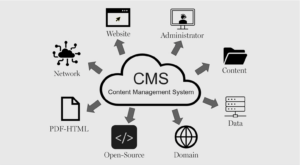
A Content Management System (CMS) is software that helps you create, edit, organize, and publish digital content, most commonly web pages and blog posts, without needing to write code for every change. Core CMS features usually include a content editor, media library, roles and permissions, menus/navigation management, and tools to categorize and tag content. WordPress is the most widely used CMS on the web, powering a large share of websites globally by combining a user‑friendly dashboard with thousands of themes and plugins. Its architecture relies on PHP code and a database to store posts, pages, and settings, then dynamically renders HTML when visitors load your site.
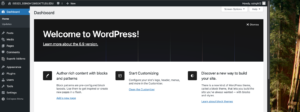
From the user’s perspective, WordPress provides an admin dashboard where you can add new posts, upload images, embed video, and adjust site settings through menus and forms. Guides such as WPBeginner’s tutorial on how to add a new post in WordPress walk you through using the block editor, adding headings, images, categories, tags, featured images, and SEO‑related fields. WordPress’s plugin ecosystem lets you extend your CMS into an online store, membership site, learning platform, or portfolio without changing the core codebase, which is why it is often chosen as the starting point for CMS‑driven projects.
- References:
- Hostinger. (2026, January 4). What is WordPress and how does it work? https://www.hostinger.com/tutorials/what-is-wordpress
- WordPress.com. (2024, December 17). What is a content management system and how to choose the best CMS for your needs. https://wordpress.com/go/tutorials/what-is-a-cms/
Proudly powered by WordPress